
Quick answer
An emergency kit is a ready-packed set of supplies that keeps your household going for several days without help. Start with water (1 gallon per person per day), food, a radio, a flashlight, a first aid kit and spare batteries. Then add medicine, documents and cash.
After a storm, earthquake or long power outage, stores close and help can take days. A kit means you don’t have to go looking for basics when it is least safe.
Ready.gov recommends supplies for at least several days. The Red Cross suggests 3 days in a bag you can carry and 2 weeks at home. Start small and build up.
Start here
- Basic kit: 10 Must-Have Items for Your Basic Survival Kit — the 10 items every home should have first.
- DIY kit: How to Build Your Own DIY Survival Kit, Step by Step — build one from what you already own, then fill the gaps.
- First aid kit: First Aid Kit Checklist for Home, Car and Go-Bag — a checklist for home, car and go-bag.
- Advanced kit: Top 10 Items for an Advanced Survival Kit — water filters, backup power and better communication for when the basics are done.
Kit checklist
- Water: 1 gallon per person per day, for at least 3 days
- Food that needs no cooking, plus a manual can opener
- Battery or hand-crank radio, ideally with NOAA Weather Radio
- Flashlight and spare batteries
- First aid kit and at least a week of prescription medicine
- Copies of IDs and insurance papers in a waterproof bag
- Some cash in small bills
- Check the kit once a year and replace expired items
Sources
- Build a Kit — Ready.gov
- Be Red Cross Ready — American Red Cross
- Creating and Storing an Emergency Water Supply — CDC
All emergency kit articles
Go-Bag Checklist: How to Pack a Portable Emergency Bag
A per-person go-bag checklist based on Ready.gov and the Red Cross, with tips to keep the bag light enough to carry.
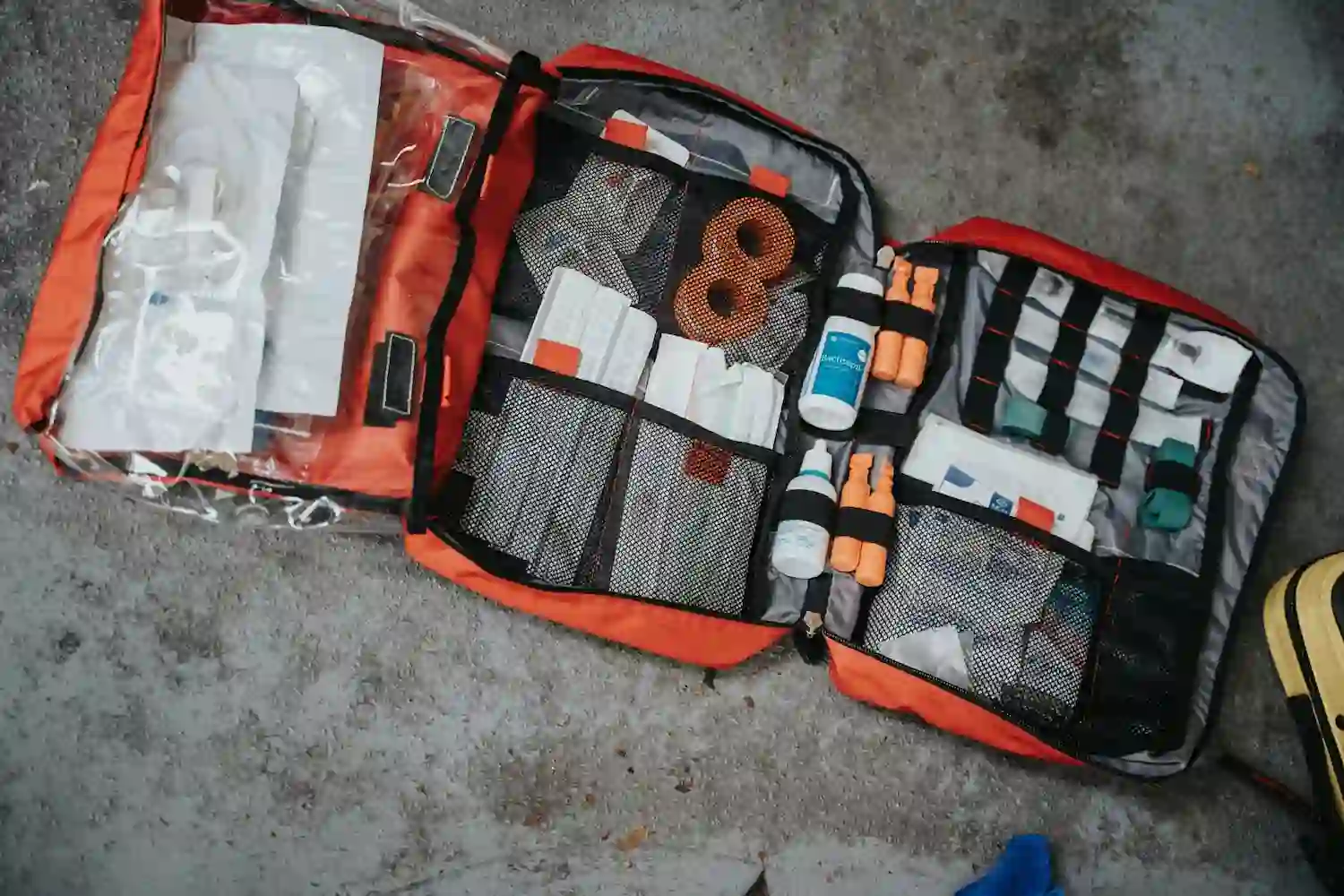
First Aid Kit Checklist for Home, Car and Go-Bag
A complete first aid kit checklist with exact quantities, personal medicine tips and how to keep the kit ready.
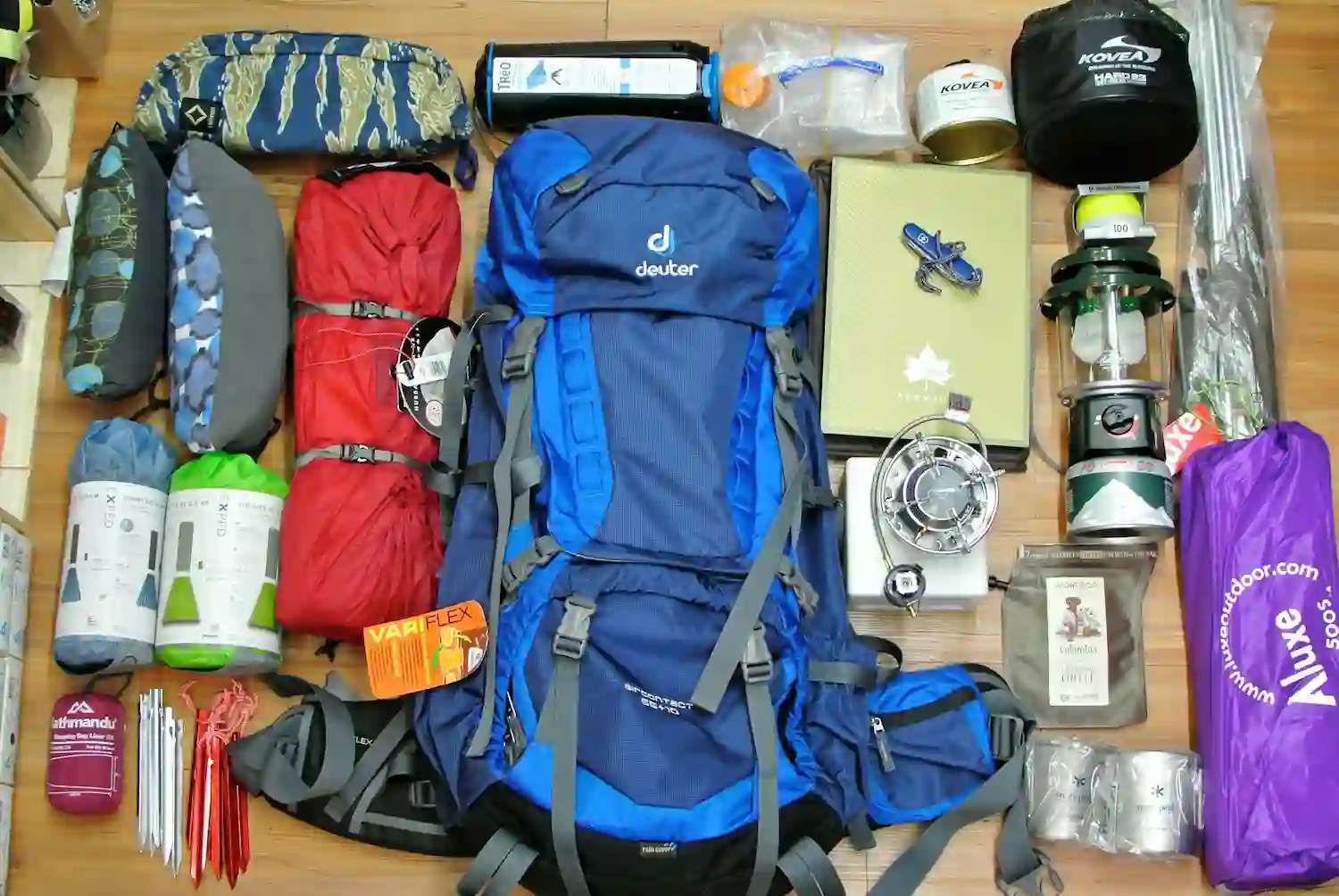
How to Build Your Own DIY Survival Kit, Step by Step
A step-by-step plan to build a survival kit at home, from choosing a container to keeping it up to date.
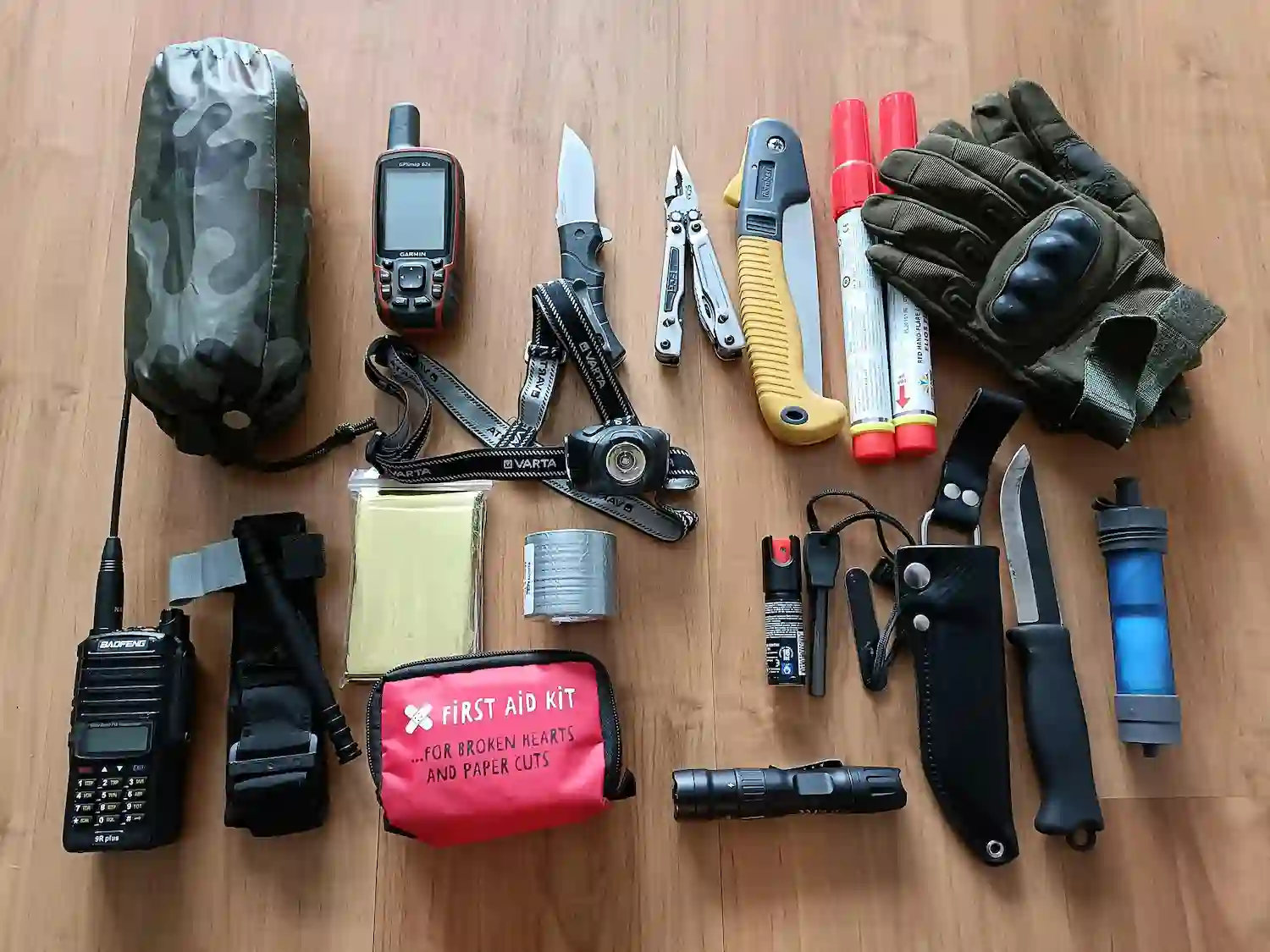
10 Must-Have Items for Your Basic Survival Kit
The 10 core items for a basic disaster kit, how much of each to pack, and how to store it.

Top 10 Items for an Advanced Survival Kit
Ten upgrades for people who already have a basic disaster kit and want to cover longer, harder emergencies.