
Quick answer
Good survival gear is simple, tough and easy to use: the right clothing layers, a map and compass, a shelter, a sturdy knife and a light. Buy fewer, better items and practice with them before you need them.
Gear only helps if you can use it when you’re cold, tired or in the dark. That’s why practice matters more than price.
Start with what keeps you warm and dry, then add tools to find your way, stay sheltered and do basic jobs like cutting cord or building a fire.
Start here
- Clothing: Survival Clothing: What to Wear in Every Environment — how to layer for cold, heat and rain.
- Navigation: Best Navigation Tools for Survival: Map, Compass, GPS, PLB — map, compass, GPS and personal locator beacons compared.
- Shelter: How to Choose the Best Emergency Shelter — tents, tarps, bivies and emergency blankets compared.
- Knives: Best Survival Knife: How to Choose One That Lasts — what makes a good survival knife and how to care for it.
Core gear list
- Rain jacket, warm layer, hat and gloves (wool or synthetic, not cotton)
- Paper map and compass, even if you carry a phone
- Headlamp or flashlight with spare batteries
- A tarp or emergency shelter
- A fixed-blade knife or multi-tool
- Fire starter: lighter, matches and a ferro rod
- Whistle
Sources
- The 10 Essentials — National Park Service
- Winter weather safety — National Weather Service
All tools and gear articles
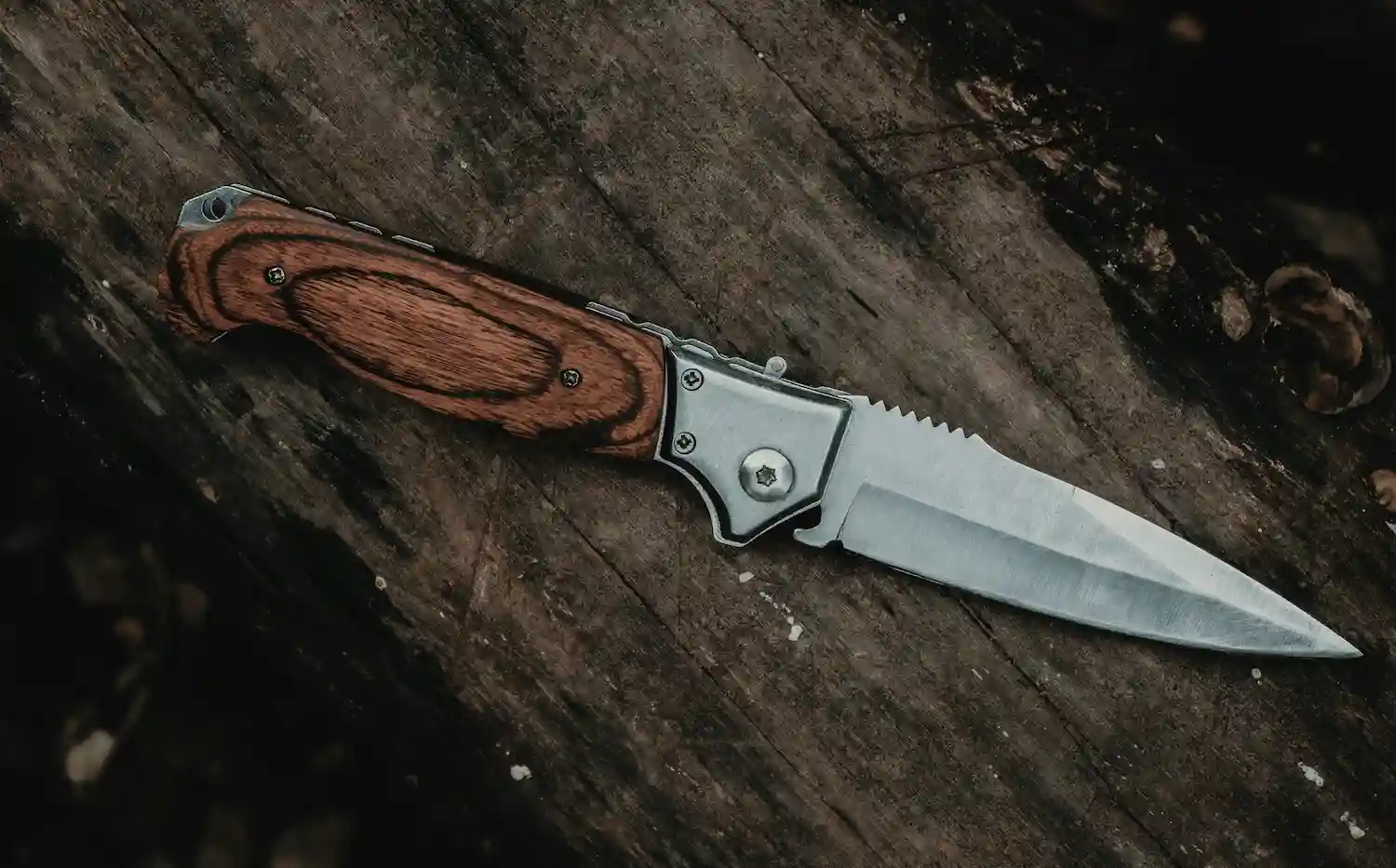
Best Survival Knife: How to Choose One That Lasts
A fixed-blade knife with a 4 to 6 inch blade, a strong tang and a good sheath handles almost every survival job.
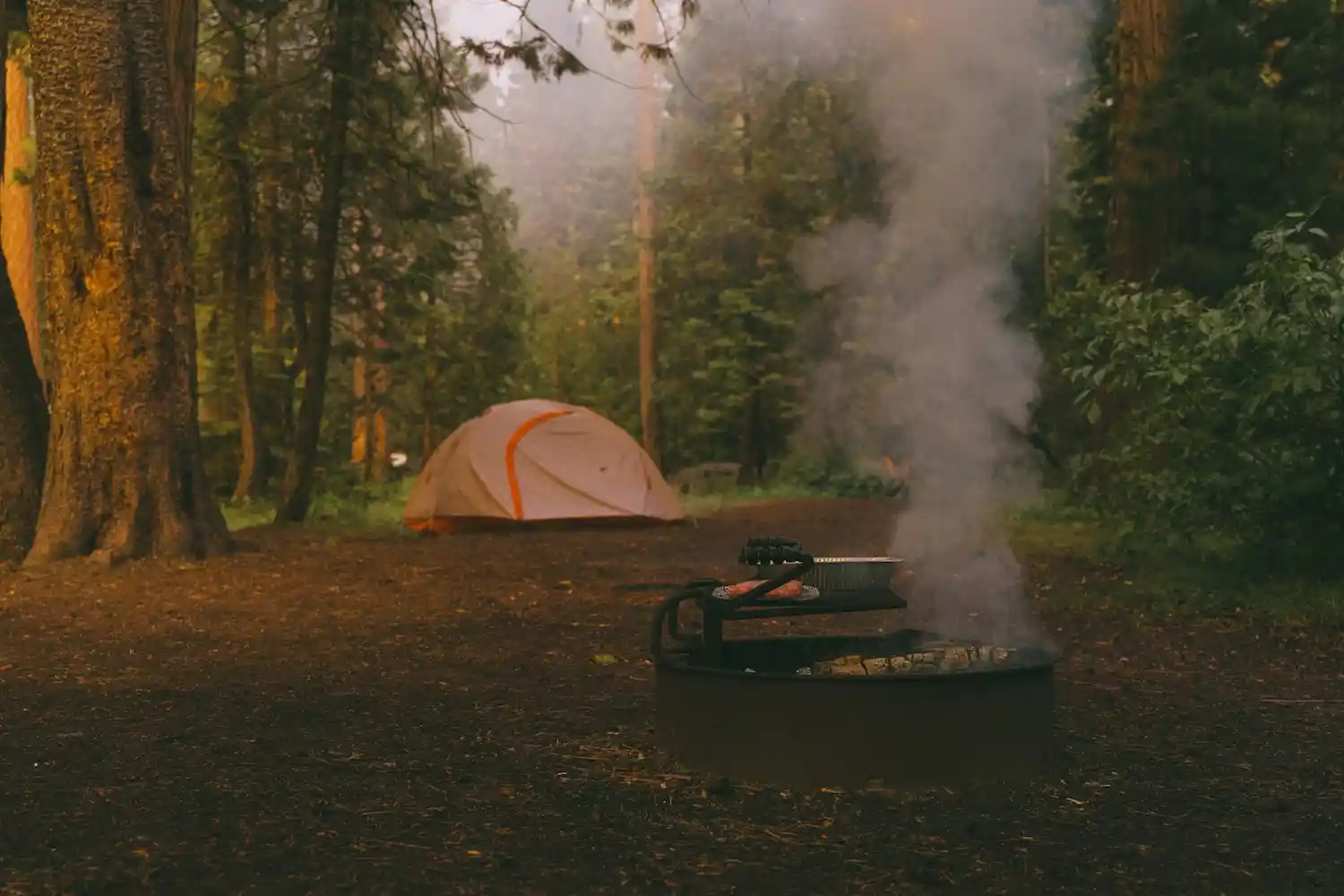
How to Choose the Best Emergency Shelter
Match your shelter to the weather, your pack weight and your skills, and never forget insulation from the ground.
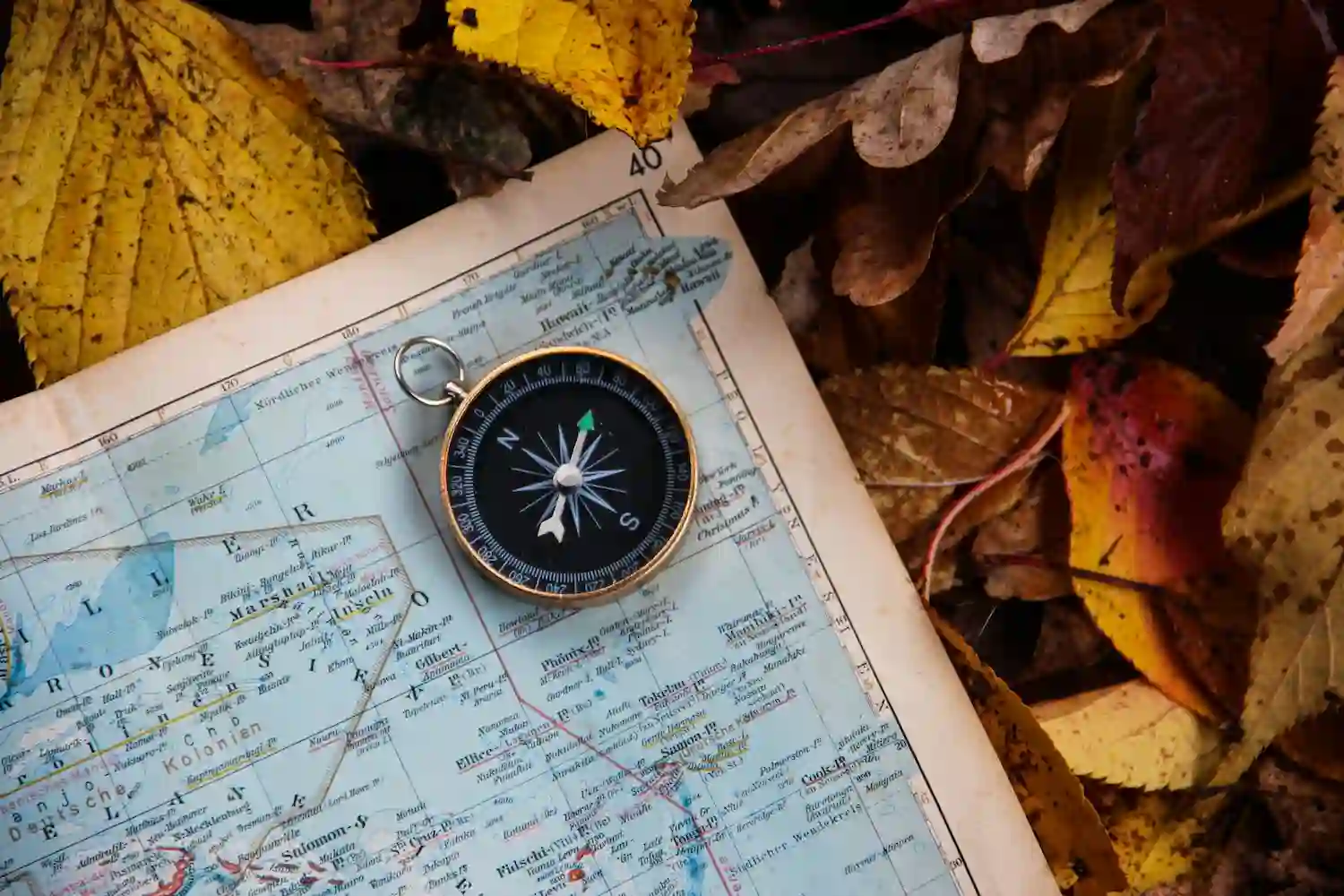
Best Navigation Tools for Survival: Map, Compass, GPS, PLB
Carry a paper map and compass as your backup, a charged phone or GPS for daily use, and a PLB when you go remote.
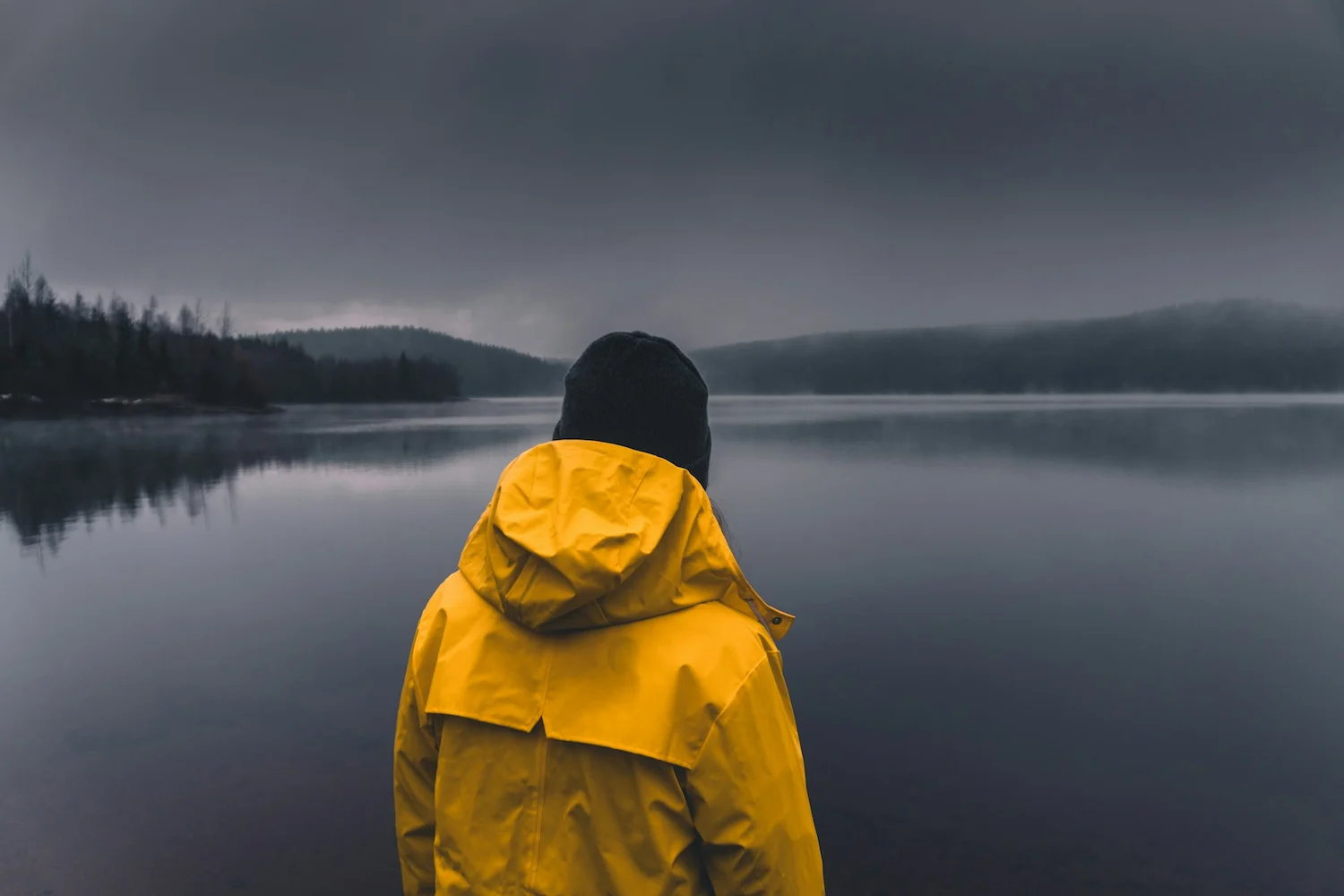
Survival Clothing: What to Wear in Every Environment
Dress in layers of wool or synthetics, skip cotton when it is cold or wet, and keep a full change of clothes in your go-bag.