
Quick answer
Store at least 1 gallon of water per person per day for 3 days, and food that needs no cooking. Build toward 2 weeks if you have space. Learn one safe way to treat water: boiling for 1 minute is the most reliable.
You can go without food much longer than without water. So start with water, then add food you already eat and can eat cold.
In a disaster, tap water may not be safe and the power may be off. Knowing how to treat water and cook without electricity keeps your family healthy.
Start here
- Water: How to Purify Water in an Emergency: Methods and Tools — how to boil, disinfect with bleach, and filter water.
- Food storage: Long-Term Food Storage: Tips, Shelf Life and Containers — what lasts, how to store it and how to rotate it.
- Cooking without power: Emergency Cooking: How to Make Meals Without Power — safe outdoor cooking and keeping fridge food safe.
- Garden: Starting a Survival Garden: A Realistic Beginner’s Plan — a realistic plan for growing some of your own food.
Food and water checklist
- 1 gallon of water per person per day, for at least 3 days (more for pets and hot weather)
- Food that needs no cooking: canned meat, beans, fruit, peanut butter, crackers
- A manual can opener
- Unscented household bleach and a dropper, to treat water
- A camp stove for outdoor use only, with fuel
- Rotate food: eat the oldest first and replace it
Sources
- Creating and Storing an Emergency Water Supply — CDC
- Water — Ready.gov
- Food — Ready.gov
- Keeping Food Safe During an Emergency — USDA
All food and water articles
Disinfecting Water With Bleach and Tablets: Doses and Limits
Exact bleach doses, wait times and tablet types for making water safe, with the germs each one misses.
How Much Water to Store for Emergencies: A Simple Plan
Gallon counts for your household, safe containers, storage rules and hidden water in your home, based on CDC, Ready.gov and Red Cross advice.
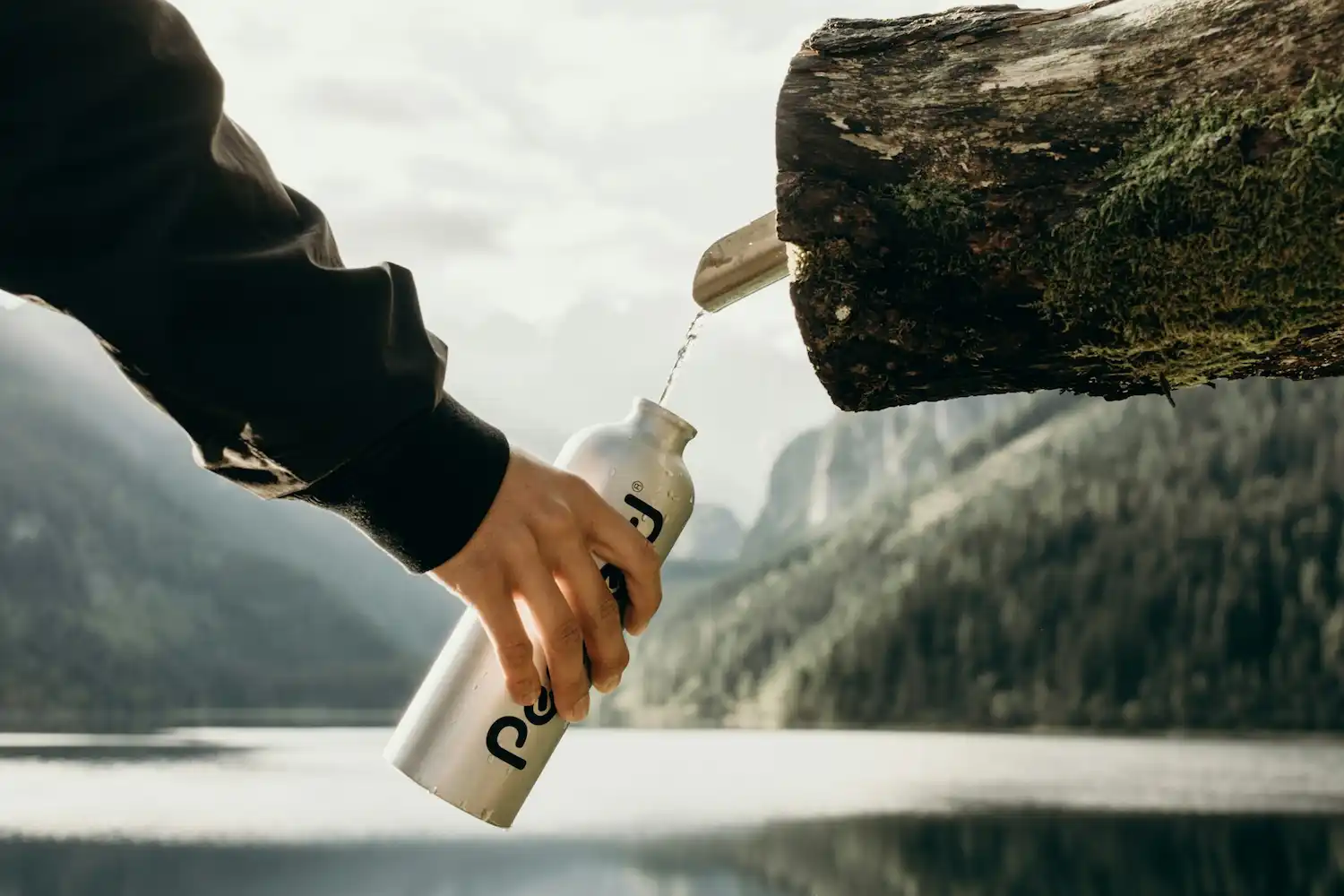
How to Purify Water in an Emergency: Methods and Tools
Step-by-step ways to make water safe after a disaster, with CDC and EPA boil times and bleach amounts.
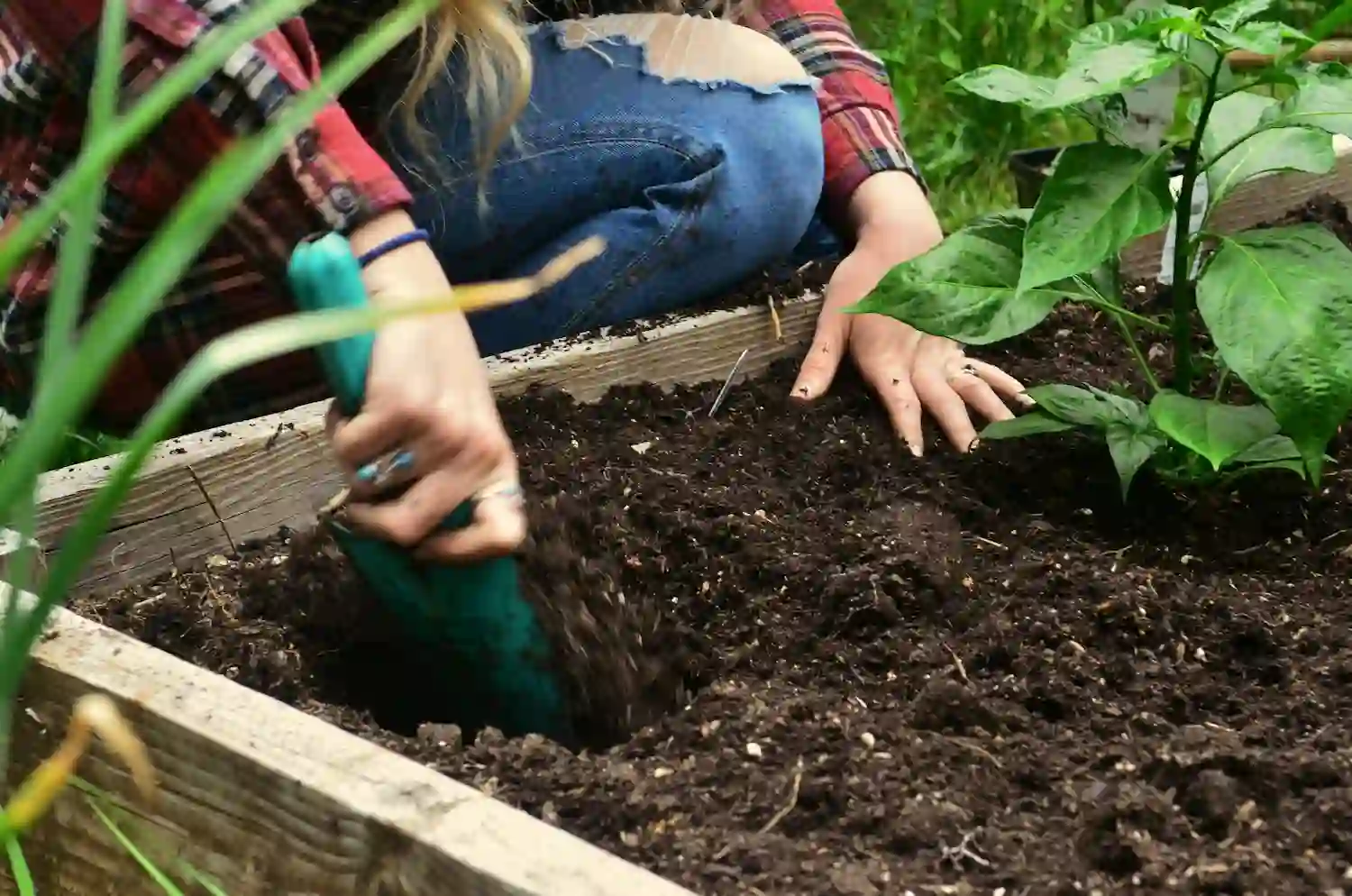
Starting a Survival Garden: A Realistic Beginner’s Plan
A practical plan for growing food at home, with honest limits and extension-backed numbers.
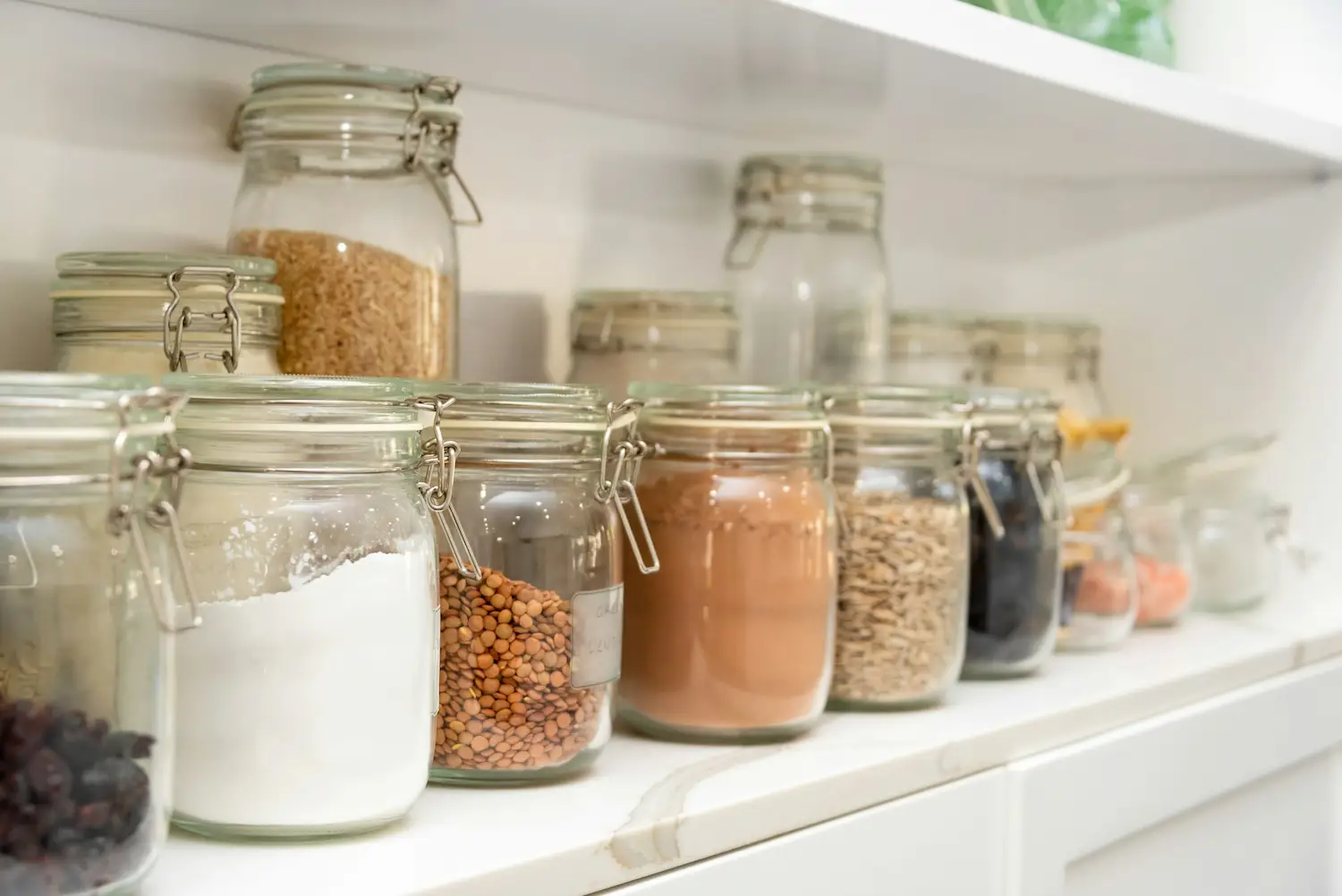
Long-Term Food Storage: Tips, Shelf Life and Containers
Store staples cool, dry, dark and sealed, rotate them, and know which cans to throw out.
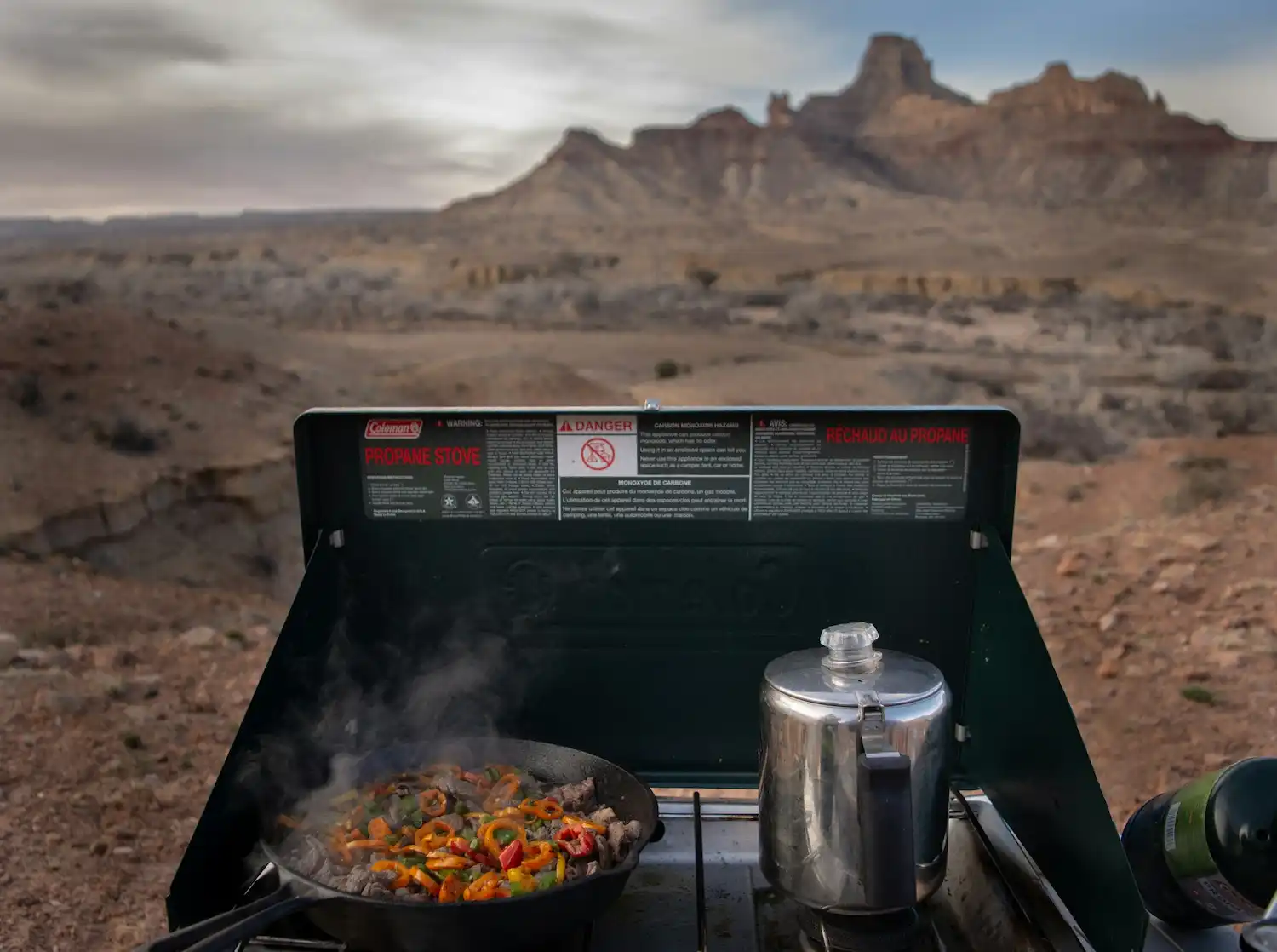
Emergency Cooking: How to Make Meals Without Power
How to cook safely when the power is out, keep fridge food safe, and eat well for three days.